Grading verdict · PSAxy12-46 · Nov 1
Only flawless copies
Grading beats selling raw if your copy has at least a 81% chance of a PSA 10.
Only a PSA 10 beats selling raw.
At 30%: −$35 per card versus selling raw.
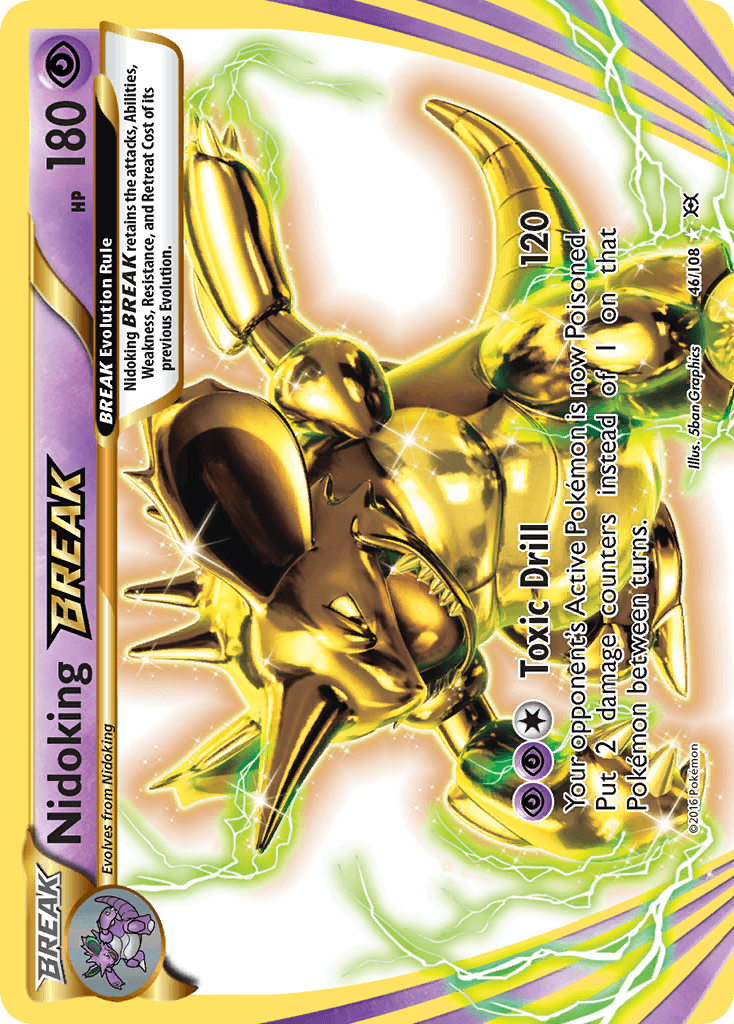
Catalog reference · USD $3.72 · PokemonPriceTracker, Nov 1, 12:18 PM UTC
Reference condition: Near mintYour copy’s condition may differ.
Only flawless copies
Grading beats selling raw if your copy has at least a 81% chance of a PSA 10.
Only a PSA 10 beats selling raw.
Net of grading and selling costs, compared with selling the raw card today. Grading fee by result: PSA 10 $59.99, PSA 9 $59.99, plus $10.00 shipping. Change your costs
At your odds, grading loses money even on a free card.
Grading still beats selling raw at your odds while all grading costs stay under this.
PSA 10s would need to rise 135% from $100 for grading to pay at your 30% odds.
Completed eBay sales of this exact printing, aggregated by PokemonPriceTracker, updated Nov 1. Only sales bound to this printing count.
| Grade | Price used | Sales | Last sale |
|---|---|---|---|
| PSA 10 | $100 longer-run | 63 | Oct 26 |
| PSA 9 | $19.99 longer-run | 53 | Oct 6 |
| PSA 8 | — too few | 14 | Sep 26 |
| CGC 10 | — too few | 4 | Aug 6 |
| Raw | $3.72 | — | Nov 1 |
| Grade | Price used | Sales | Last sale |
|---|---|---|---|
| PSA 7 | — too few | 4 | Jul 30 |
| PSA 6 | — too few | 2 | Sep 12 |
| PSA 2 | — too few | 2 | Apr 21 |
| BGS 9.5 | — too few | 1 | Feb 14 |
| BGS 9 | — too few | 2 | May 1 |
| CGC 9.5 | — too few | 3 | Oct 6 |
| CGC 9 | $13.60 longer-run | 14 | Oct 6 |
| CGC 8.5 | $11.40 longer-run | 14 | Oct 6 |
| CGC 8 | — too few | 3 | Oct 6 |
| CGC 7.5 | — too few | 4 | Oct 6 |
| CGC 7 | — too few | 1 | Dec 22 |
| CGC 6 | — too few | 1 | Aug 31 |
| CGC 5.5 | — too few | 1 | Dec 2 |
In the last 7 days, 1 PSA 10 sold. PSA 9 last sold on Oct 6 and PSA 8 last sold on Sep 26.
PSA 10s are 54% of this card’s PSA 9 and 10 sales. Owners sell their best copies, so this is not your chance of a 10.
Recorded observations through Nov 1, 12:00 AM UTC. Grading takes months, and the raw price can move while you wait.
1M · USD · price observations, not individual transactions
A PSA 10 sells for 3.5× a CGC 10 of this card. PSA has the most sales, 63. The verdict uses PSA.
After each grader’s base fee for that value, shipping and selling fees, a 10 nets $16.36 from PSA, −$5.76 from CGC. Turnaround and resale demand differ too; check the grader board on Grading costs.
Crack it and send the raw card again, or sell the 9 as it is. A miss pays a second grading fee and usually comes back a 9 again.
Keep the 9: even a PSA 10 would net less than selling the 9 ($16.94).
A card that graded 9 once is less likely to get a 10 than a fresh copy, so set this lower than you would for one. Cracking a slab can also damage the card.
As of Nov 1, 12:18 PM UTC, Nidoking BREAK (Evolutions #46) has a market reference price of $3.72.
Over the latest tracked day, the reference price for Nidoking BREAK (Evolutions #46) has risen 1.6%. This describes recent tracked price movement only and is not investment advice.
CardIntel tracks Nidoking BREAK (Evolutions #46) across TCGplayer market data, Cardmarket EUR averages and daily price history. Use the price chart and cross-platform pricing table above to compare current values.
The latest Scarlet & Violet expansion 'Surging Sparks' officially launched worldwide. Early chase cards include Pikachu ex SAR and several new Illustration Rares. First-week prices are inflated — expect correction in 2-4 weeks.
Feb 15, 12:00 AM UTC · Official Pokémon Company
PSA raised their base-level grading fee from $30 to $35 for standard cards. Express and Super Express tiers unchanged. This may reduce casual submissions and tighten PSA 10 supply for modern cards.
Feb 10, 12:00 AM UTC · PSA Official
As expected, the market saw a 5-10% correction across most categories following the December holiday buying surge. Vintage cards held better than modern, with Base Set holos showing minimal decline.
Jan 5, 12:00 AM UTC · Market Data Analysis










Catalog image. Check the actual card, including its back, before you trade or submit. Prices are dated source observations, not offers. How prices and verdicts work